
Birthmark
Birthmark
Birthmark
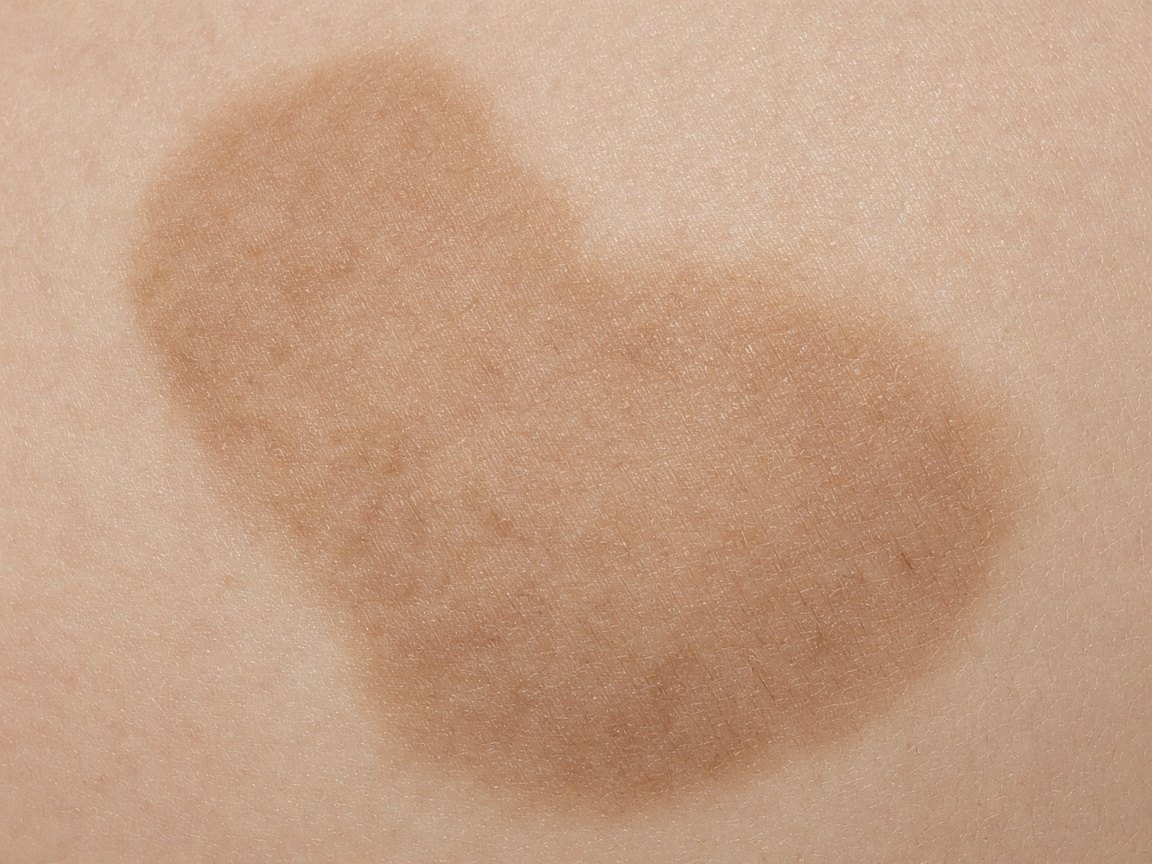
A birthmark is not one disease. It may be brown, red or hairy. Some are harmless and are only watched. Treatment depends on whether the mark is vascular or pigmented, and where it sits on the body.
- Type firstVessel and pigment are separated
- Not all of them clearThe aim is to make it less noticeable
- ChildhoodSome marks grow
Which types are seen?
Salmon patches, port-wine stains, café-au-lait patches, Mongolian spots and congenital moles are common examples. Some fade over the years. Some darken or grow hair. The same lotion does not help all of them.
When is it treated?
Marks on the face, marks that grow quickly, marks that affect the eye or breathing, and marks that ulcerate are seen early. For those treated only for appearance, laser, light or surgery is discussed. In large congenital moles the melanoma risk varies with size, and follow-up is built around that.
Laser and other methods
A vascular laser is considered for marks that come from vessels, and a suitable light system for pigment and hairy areas. Deep pigment does not always clear completely. Sessions are planned together with growth and school years. Anaesthesia in a child is a separate decision.
Follow-up
A photograph makes it easier to see whether the mark is growing. A change in colour, bleeding or a wound is a reason for an earlier check. Sun darkens pigmented marks, so protection continues in childhood too.
The suitable method is decided after examination. For an appointment you can call 0555 714 62 95 or write on WhatsApp.