
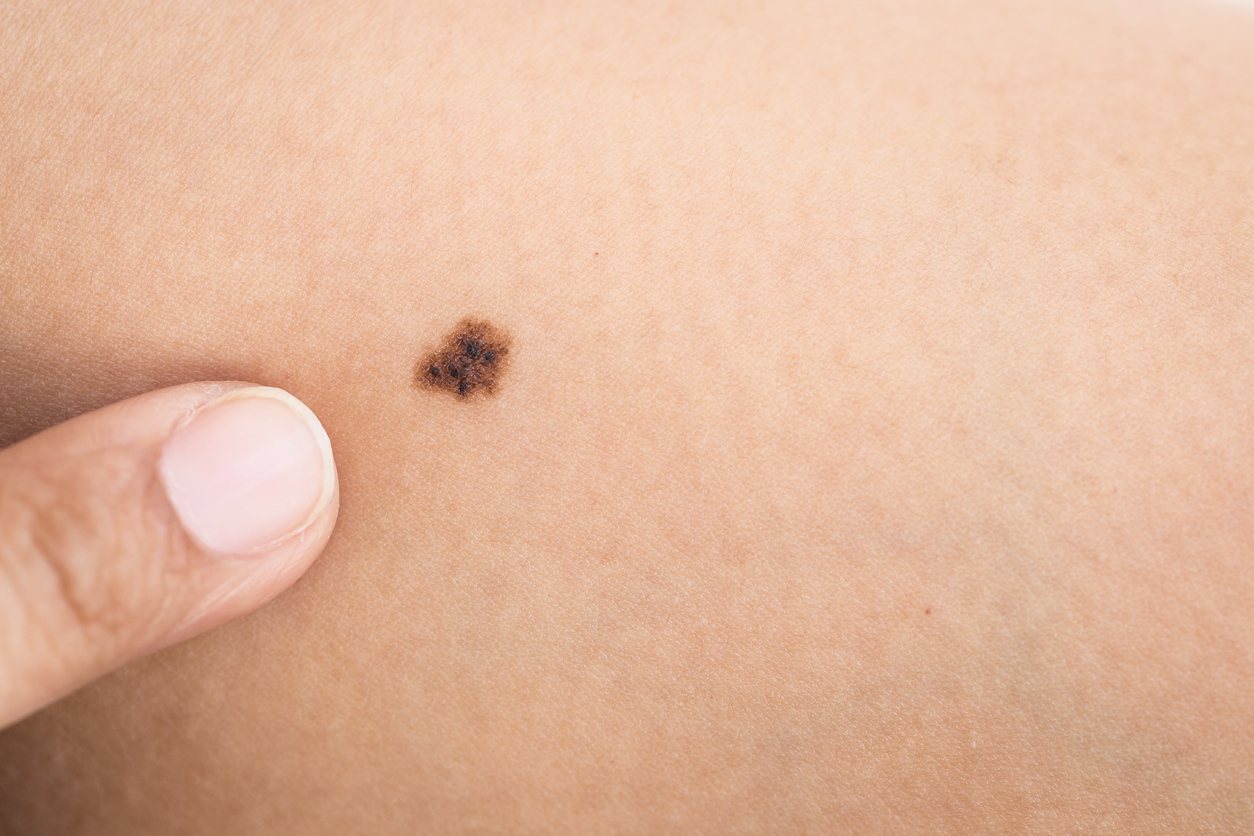
Brown and black moles
Brown and black moles
Brown and black moles
Moles are marks formed by a cluster of melanin-producing cells. Most are harmless. Some need watching, and a suspicious one is removed for examination. Removing a mole for appearance is not the same procedure as investigating a mole that may be diseased.
- DermatoscopyThe naked eye may not be enough
- A changing moleDo not delay the check
- PathologyIf there is doubt, a sample is examined
Which moles need examination?
A mole that is new, uneven in colour, notched at the edge, bleeding, itching, or growing over a short time is not left waiting. The palm, sole, under the nail, and areas that rub constantly are assessed separately. A family history of melanoma and a large number of moles shorten the interval between checks.
How are they looked at?
A dermatoscope magnifies the pattern inside the mole. If suspicion is low, it is followed with photographs. If there is suspicion, the mole is removed whole and sent to pathology. Burning it away with a laser is not done on a suspicious mole, because it leaves no chance of examination.
Can one be removed for appearance?
A benign mole that bothers you, rubs, or spoils the look can be removed after examination is clear. The method is chosen by how deep the mole is. The scar is related to the size of the tissue removed. A promise of no scar is not realistic. Sun and the pool are limited until the wound has healed.
What is not done at home?
A mole is not burned, tied with thread, or painted with acid. Those steps both leave a burn scar and delay the diagnosis of a malignant lesion. A dark streak moving along a nail should not be covered with polish and forgotten.
The suitable method is decided after examination. For an appointment you can call 0555 714 62 95 or write on WhatsApp.